
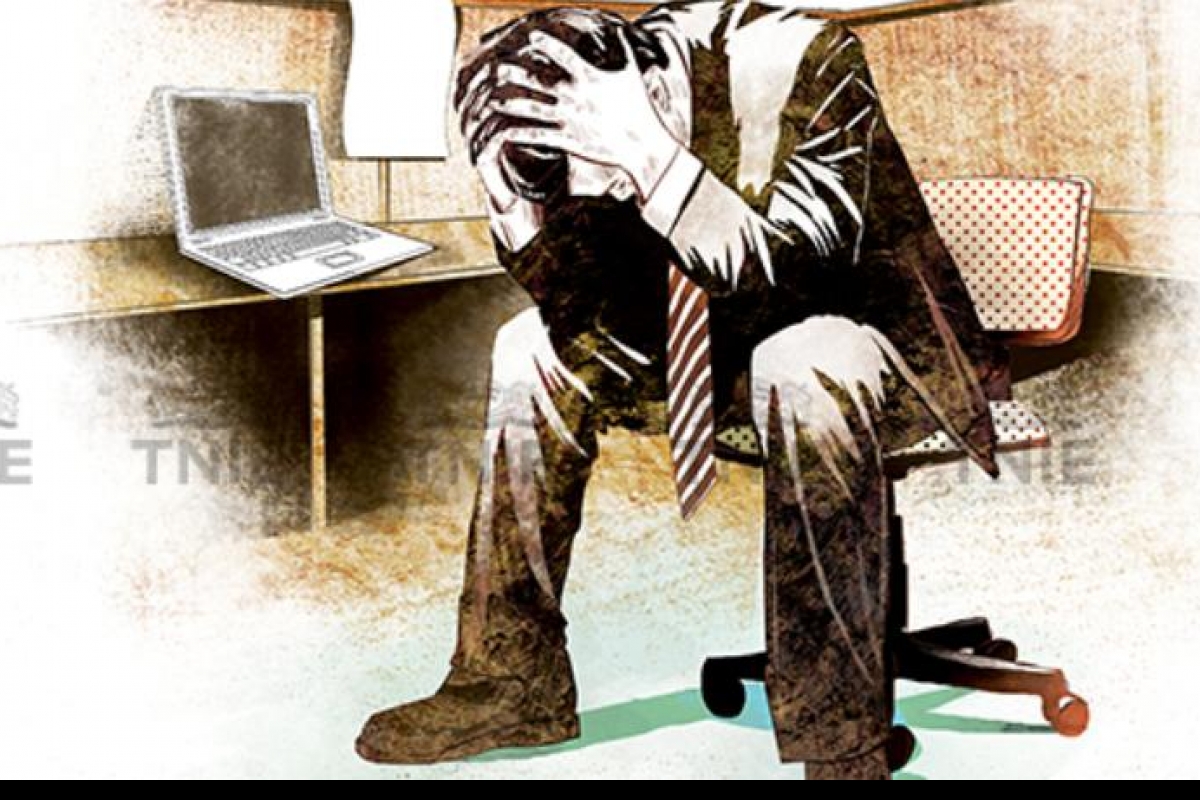
The COVID-19 pandemic that has swept the globe has significantly disrupted various sectors all over the world including education, oil and gas, automobiles, aviation, retail, etc. It is dealing with a severe blow to state economies, businesses, and workers and has stretched the capacities of governance, public health infrastructure, and social administration of affected nations to their limits. At the same time, the lockdown enforced by various governments world over to prevent the spread has brought economies to the ground and jeopardized the job prospects of many.
Job loss is the most severe and immediate impact of the COVID-19 crisis followed by lower economic growth and a rise in inequality. According to a report by the Centre for Monitoring Indian Economy (CMIE), India’s unemployment stood at 24% in May. The high unemployment rate is a result of the COVID-19 pandemic, because of which 120 million people in the country were left jobless in April.
And according to the International Labour Organization (ILO) chief, “Workers in four sectors that have experienced the most “drastic” effects of the disease and falling production are food and accommodation (144 million workers), retail and wholesale (482 million); business services and administration (157 million); and manufacturing (463 million). Together, they add up to 37.5 percent of global employment and this is where the “sharp-end” of the impact of the pandemic is being felt now.”
The worst affected people around the world are the migrant workers, entrepreneurs, and the salaried class. They have suffered many kinds of impacts resulting from the pandemic, one of the main consequences of COVID-19 has been a reduction of working hours and income and, in some cases, loss of jobs, resulting from fear and restricted mobility associated with confinement measures.
Workplace and business closures have had an immediate and severe impact on those in formal as well as in informal employment. Restarting businesses will require significant adjustments with cost implications, including securing a safe work environment.
While small enterprises around the globe play a major role as job providers, particularly in low and middle-income countries, they often lack access to credit, have few assets, and are the least likely to benefit from fiscal measures in general. And as per economists, in the aftermath of the global financial crisis, the number of small businesses in advanced economies is expected to decline due to widespread business failures because of the pandemic.
The loss of income, lack of access to social security, and lack of income support have pushed many low wage workers and their families further into poverty, making it difficult even to have one meal a day. Those in formal employment have also suffered job losses and reduction in wages and in hours worked. Fear of COVID-19, paired with restrictions on mobility prevented these low wage workers in both formal and informal employment from getting to work. And assuming a situation without any alternative income sources, lost earnings would increase the rate of relative poverty.
These unprecedented challenges are having economic ripple effects not only on India but across the globe as millions of people unexpectedly find themselves out of work with the potential for significant increases in unemployment. Countries are taking action to address the employment concerns facing their citizens and to protect those who are no longer able to work.
 One step leads to another